Be yourself; Everyone else is already taken.
— Oscar Wilde.
This is the first post on my new blog. I’m just getting this new blog going, so stay tuned for more. Subscribe below to get notified when I post new updates.
Be yourself; Everyone else is already taken.
— Oscar Wilde.
This is the first post on my new blog. I’m just getting this new blog going, so stay tuned for more. Subscribe below to get notified when I post new updates.
What comes in mind when Sickle cell is mentioned? Well in the continent I come from there is a lot of skepticism and cynicism in the mention of the disease attributable to little knowledge. Not much is known about sickle cell disease and its treatment.
Sickle cell disease is a group of disorders that affects the hemoglobin which thus distorts the red blood cell into a sickle. It is worth noting that the disease is inherited and is caused by a mistake in the bodies chemistry.
Approximately 300,000 children worldwide are born with sickle cell disease annually. The disease is mostly prevalent among people with African Ancestry though also present in various races of the world.
The major symptoms associated with this illness include: General fatigue, Episodes of pain lasting for few hours to few weeks, leg ulcers and abnormal swellings which seem to be tender when touched. (See figure1.1)
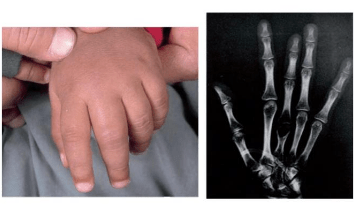
There is little information about sickle cell disease treatment however most hematologists would advocate for management of the disease. Procedures that have been undertaken to manage the disease include having a bone marrow transplant from an umbilical cord brother. This way there is reproduction of normal red blood cells by the recipient. The only demerit about this process is that it would entail a lot of hospital stay for purposes of managing complications that may arise.
Another way would be to get healthy stem cells from a healthy person which is injected to the patient henceforth it would migrate into the bone marrow. All these treatments are not comparable to the usual practice of having regular and necessary blood transfusions.
SCD patients usually experience pain once in a while which is due to some factors called triggers. Triggers to be watched out for include: stress, dehydration, extreme temperatures and over-exerting on self.
The good news is that sickle cell disease is manageable and it would mean a patient would have to change his/her lifestyle. Colorful vegetables and wholegrains will help the victim develop folic resistance, plenty of water, medication compliance, having time for the gym and developing good habits will elongate the lifespan.

In the event of pain, heating pads, hot baths, massages, physical therapy can really help unless it’s a serious attack warranting casualty admission.
Health starts in the brain and many patients worldwide look at the disease as stepping stone and not as life sentence. I call it a stepping stone since it’s a chance to start planning your life and setting objectives. There are various success stories of people with this disease. https://www.cdc.gov/ncbddd/sicklecell/stories.html.
As a community we need to come in and support the isolated sufferers. Our eyes cannot be turned aside from the treacherous ordeals parents go through either financially emotionally or physically. As a community our success will be evident when we are able to help kids with SCD transition to a point of handling their health responsibilities without their parents.
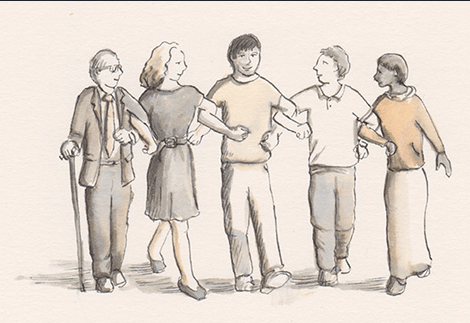
The world is upside down and is suffering much.However so powerful is the light of unity to help brighten the countenance of a brother/sister ravaged by this condition.
This is an example post, originally published as part of Blogging University. Enroll in one of our ten programs, and start your blog right.
You’re going to publish a post today. Don’t worry about how your blog looks. Don’t worry if you haven’t given it a name yet, or you’re feeling overwhelmed. Just click the “New Post” button, and tell us why you’re here.
Why do this?
The post can be short or long, a personal intro to your life or a bloggy mission statement, a manifesto for the future or a simple outline of your the types of things you hope to publish.
To help you get started, here are a few questions:
You’re not locked into any of this; one of the wonderful things about blogs is how they constantly evolve as we learn, grow, and interact with one another — but it’s good to know where and why you started, and articulating your goals may just give you a few other post ideas.
Can’t think how to get started? Just write the first thing that pops into your head. Anne Lamott, author of a book on writing we love, says that you need to give yourself permission to write a “crappy first draft”. Anne makes a great point — just start writing, and worry about editing it later.
When you’re ready to publish, give your post three to five tags that describe your blog’s focus — writing, photography, fiction, parenting, food, cars, movies, sports, whatever. These tags will help others who care about your topics find you in the Reader. Make sure one of the tags is “zerotohero,” so other new bloggers can find you, too.
 Site Title